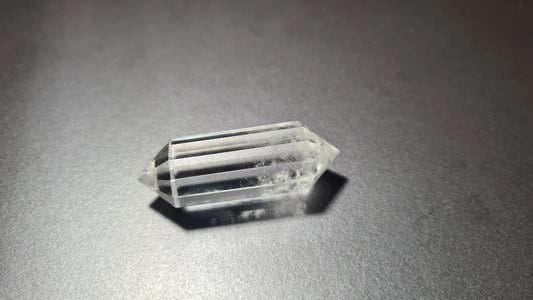
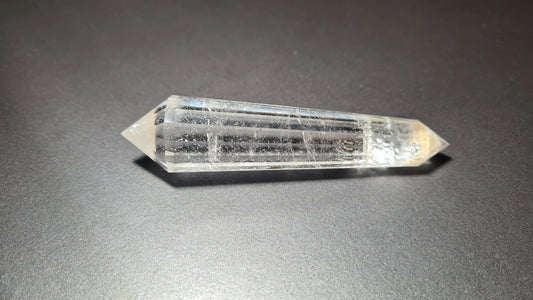
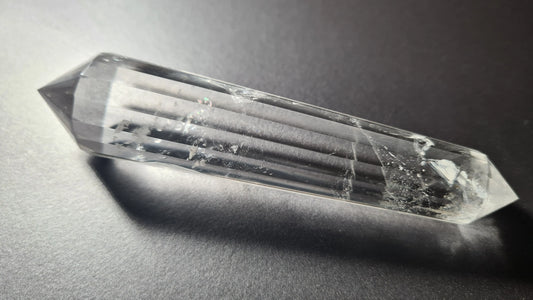
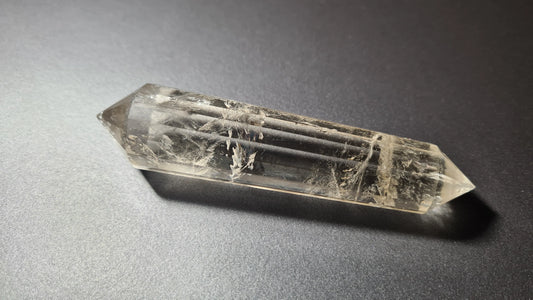
Nephrite Jade: Formation Context, Physical and Visual Characteristics
Nephrite jade is a variety of mineral belonging to the amphibole family, also synthetically called green jade or ancient jade. Its geological origin dates back to deep metamorphic processes, where the parent rock, rich in calcium and magnesium, transforms under high pressure and temperature. Nephrite thus forms in active tectonic environments, particularly in subduction zones or during orogenic movements.
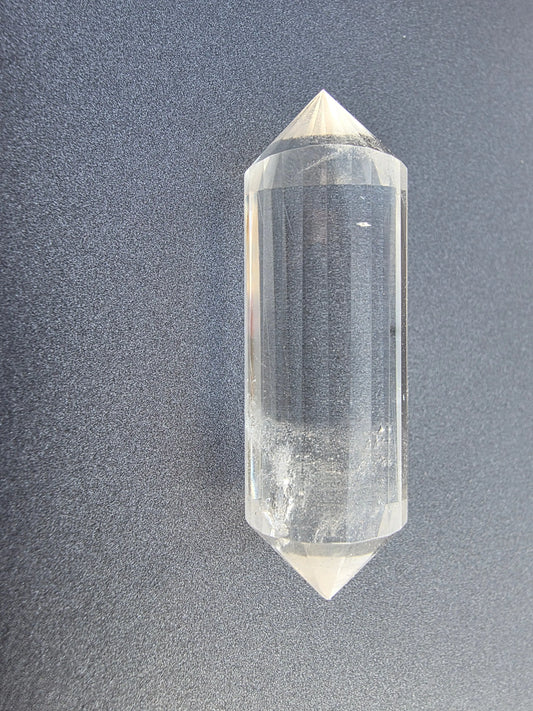
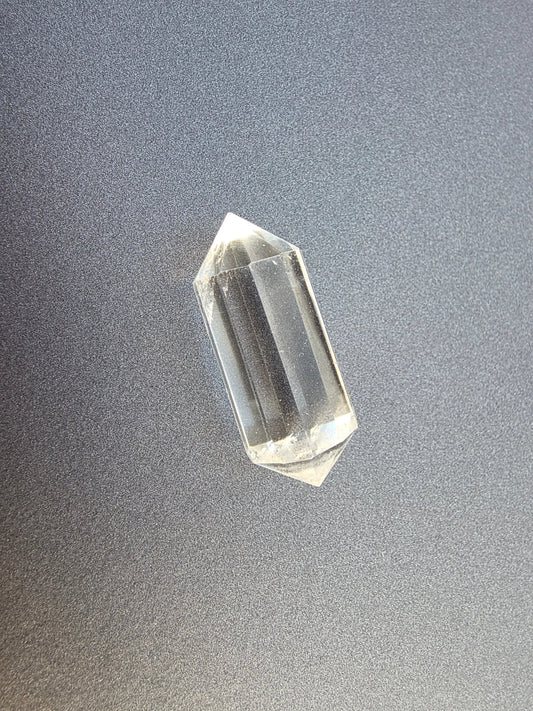
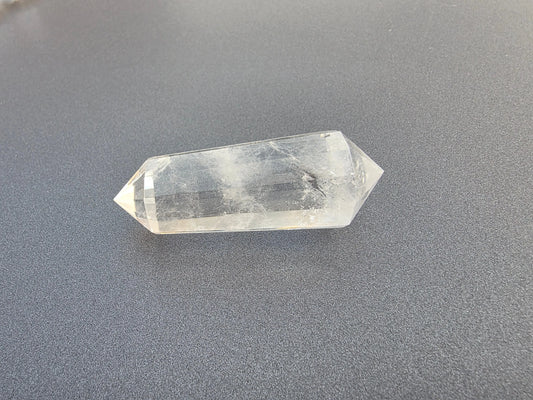
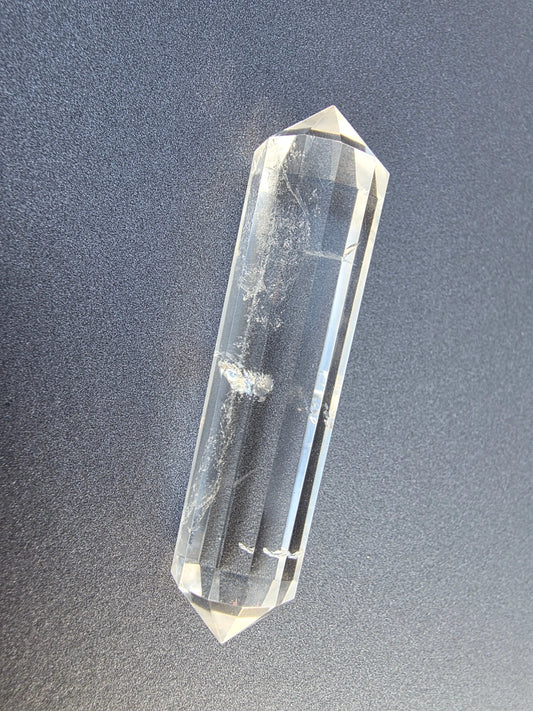
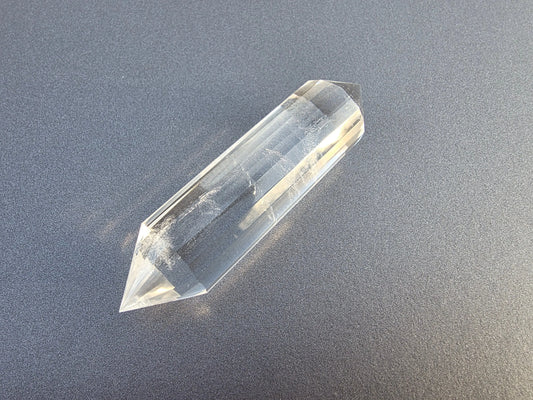
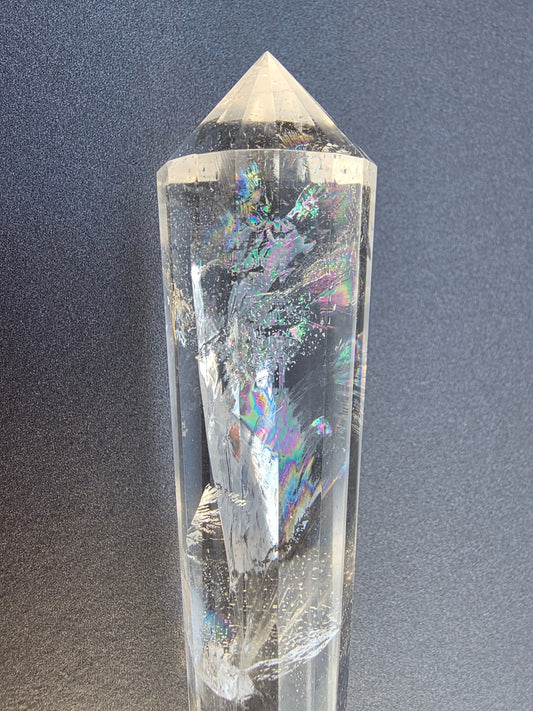
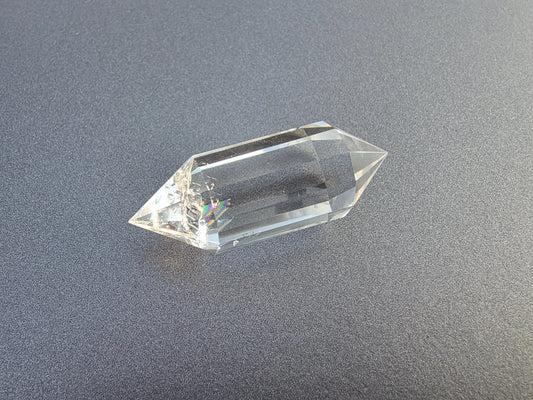
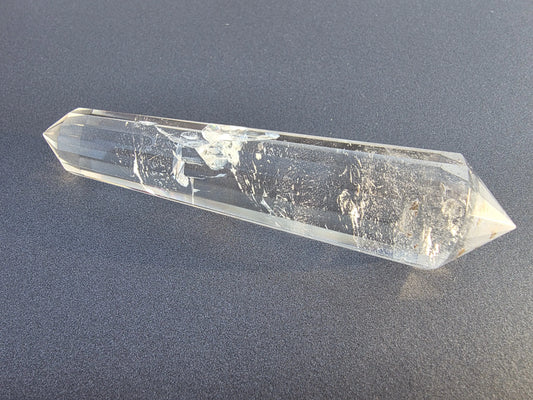
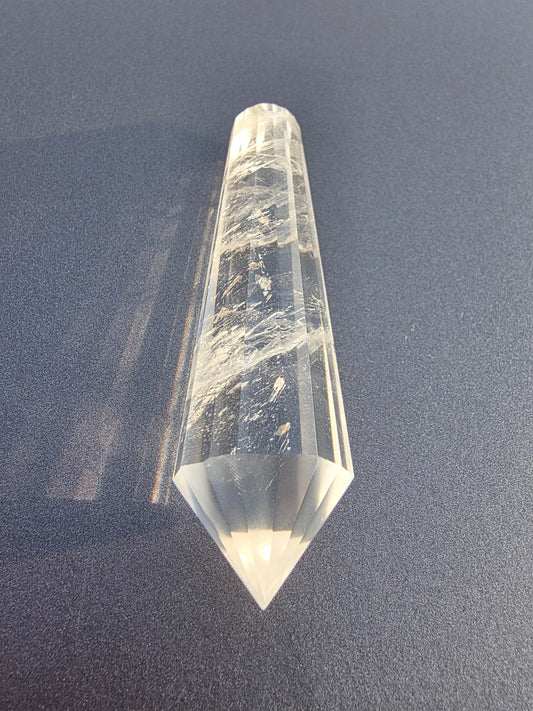
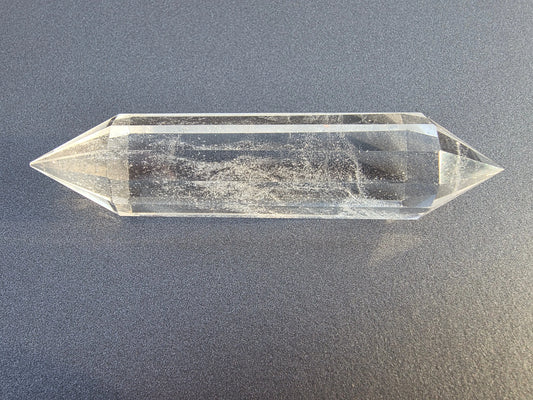
Physically, nephrite jade is distinguished by its hardness of 6 to 6.5 on the Mohs scale, making it a robust material. Its visual appearance varies from translucent green to deep green, including whiter, grayer, or even yellow hues, often marbled or veined. The surface can be smooth and polished or present rustic natural textures. Translucency and depth of color are essential criteria for appreciating its quality and beauty.
Historical Synthesis of Jade Usage
The use of jade dates back several millennia, particularly in Chinese, Mesoamerican, and Central Asian civilizations.
In China, jade is considered a symbol of purity, morality, and power, used for making ritual objects, jewelry, and statues. The oldest jade objects found date from the Neolithic period, notably in the Liangzhu region (circa 3300-2200 BC), where jade objects covered burials.
In Central America, the Mayan and Aztec civilizations also exploited jade for creating jewelry and statuettes representing deities.
Notable objects include the jade mace found in the tomb of Emperor Qin Shi Huang, dating from the 3rd century BC, and the famous "jade axes" found in Chinese archaeological sites. These objects attest to the cultural and symbolic importance of this precious stone throughout the ages.
Properties in Lithotherapy
In lithotherapy, nephrite jade is renowned for its soothing, balancing, and protective properties. It is associated with the heart chakra, promoting love, serenity, and prosperity. It is credited with virtues for calming the mind, reducing stress, strengthening intuition, and supporting emotional regeneration.
It is also considered a lucky stone, ideal for accompanying life projects or personal development. Physically, some lithotherapy practitioners claim it promotes the health of the kidneys, muscles, and immune system.
Main Nephrite Jade Deposits: Characteristics and History

Siberia
Siberia is one of the richest regions in nephrite jade deposits, particularly in the Sakha Republic (Yakutia). The jade there is often light to vivid green, with translucent hues. These deposits are renowned for the exceptional quality of their nephrite, highly sought after for carving and jewelry. The region has a long history of exploitation, dating back several hundred years, using jade for making ritual and artistic objects.

Canada
Canadian jade, mainly extracted in the Vancouver Island region, is recognized for its green tones and often with white or black veins. Its texture is generally fine and translucent, highly prized by artisans for fine carving. The discovery of deposits in the 19th century allowed for modern exploitation, with growing demand for jewelry and decorative objects. Canadian jade is often valued for its purity and vibrant color.

Pakistan
In Pakistan, particularly in the Chitral region, nephrite is a precious resource. The stone there is often opaque olive or dark green, with visible inclusions. The deposits in this region have a long tradition of exploitation, mainly for the manufacture of jewelry and art objects. Pakistani nephrite is rare but highly appreciated for its rich color and robust texture.

China
Historically considered the cradle of jade, China possesses emblematic nephrite deposits in regions such as Xinjiang, Khotan, and the Yunnan region. The jade extracted from these areas often presents a palette of deep greens ranging from olive green to dark green, sometimes with whiter or even slightly translucent nuances. These deposits have been exploited for millennia, their jade being highly valued in Chinese culture for its beauty, durability, and symbolic virtues. Jade has been used there for making ritual objects, jewelry, statues, and royal ornaments, a tradition that continues today. The fine texture, vibrant color, and great diversity of patterns in this jade make it one of the most precious and emblematic materials of ancient and modern Chinese civilization.
In addition to Siberia, Canada, Pakistan, and China, other regions are also renowned for their nephrite jade deposits. Among these, New Zealand, where "pounamu" is highly valued by the Māori for its spiritual and symbolic qualities. Alaska and Italy (especially in the Alps region) also have small reserves of jade, often exploited for local or artisanal objects.
Which origin to choose?
When choosing a jade, whether from Siberia, Canada, Pakistan, or China, it is important to keep in mind that each origin has its unique characteristics in terms of color, texture, and visual appearance. We offer a varied selection of these jades, so you can discover the one that resonates most with you.
However, the main criterion in your choice must be your own feeling: take the time to observe the stone, touch it, and let your intuition guide you. The connection you feel with the jade is often the best indicator for selecting the one that will bring you harmony, protection, or serenity. Trust your instinct, as it will lead you to the jade that suits you best, regardless of its origin.
Discover our exclusive selection in our unique special nephrite jade collection.